
So, you’ve conquered the 10K race—an incredible feat. But now, you’re ready to push further, to tackle the iconic 13.1 miles of a half marathon. That takes grit. It takes heart. And it takes a bold determination that not everyone is willing to embrace.
In this guide, we’ll break down everything you need to know to make that leap—how to train based on your current fitness, avoid common pitfalls, stay injury-free, and keep your motivation soaring. Ready to take on 13.1 miles? Let’s get started!
10K vs. Half Marathon Training
Running a 10K often feels manageable, even with minimal training. If you’ve trained for a 5K or been running casually, a 10K can seem like a natural extension of your routine. But a half marathon? That’s a whole new ball game.
The transition from 10k to a half marathon requires a strategic approach to training, such as longer runs, more recovery time, and a sharper focus on nutrition and hydration. It builds the strength and stamina needed to tackle 13.1 miles confidently—and enjoy the journey to the finish line.
Are You Ready to Transition from 10K to a Half Marathon?
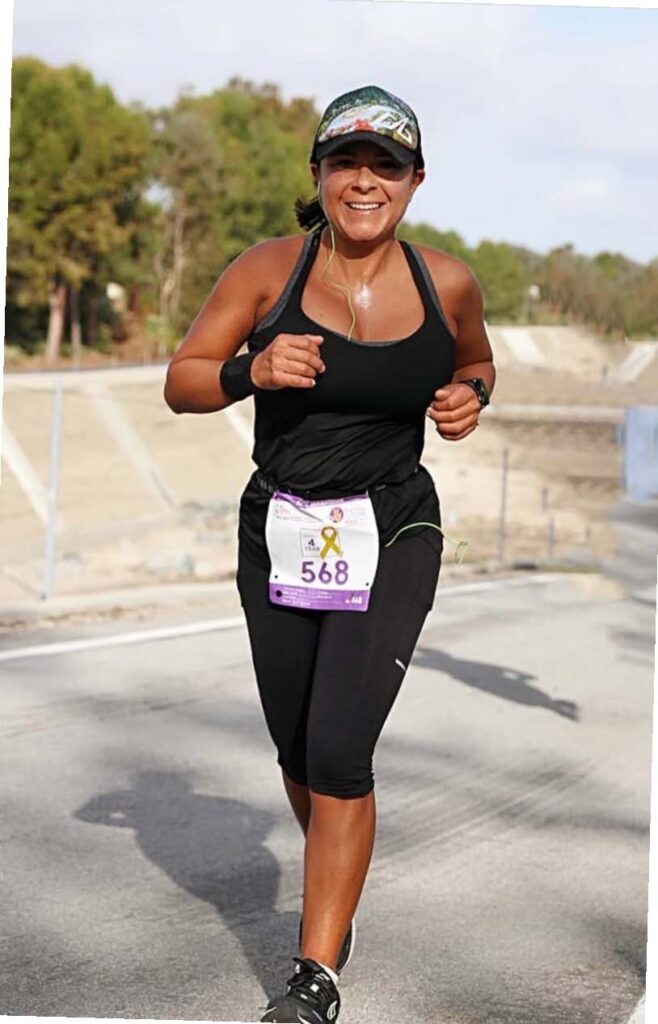
The transition from 10K to half marathon is a bold and rewarding move, but it’s not one to take lightly. Unlike a 10K, where many runners can get by with moderate preparation, a half marathon requires a higher level of endurance, consistency, and mental grit. So, how can you tell if you’re ready to tackle 13.1 miles? Here’s a detailed look at the key indicators.
Fitness Prerequisites
Your fitness level serves as the foundation for a successful transition, and there are a few benchmarks to meet before embarking on this journey:
- Comfortable with 10K Runs:
You should feel at ease running 10K (6.2 miles) consistently. This means completing the distance multiple times without feeling overly exhausted or requiring days of recovery. It’s a sign your body has adapted to sustained effort and can handle the progression to longer runs. - Weekly Mileage of 15–20 Miles:
A solid weekly mileage base is essential for half marathon training. Running 15 to 20 miles per week, spread across multiple runs, builds the endurance needed to support your longer training sessions. If this range feels manageable, you’re ready to ramp up.
Self-Assessment
Beyond physical readiness, it’s crucial to evaluate your overall performance and mental preparedness:
- Steady Pace Over 10K:
Are you able to maintain a consistent pace throughout a 10K? A strong, steady finish without feeling like you’re “hanging on for dear life” suggests you have the control and stamina to take on longer distances. - The 10-Mile Test:
This simple but effective test is a great way to assess your readiness. Plan a 10-mile long run to maintain a steady pace similar to your 10K efforts. If you can complete this run without feeling excessively fatigued or experiencing unusual discomfort, you’re likely ready to take the next step.
Why You Need These Assessments
Half marathon training for 10K runners means preparing your body to endure longer efforts safely and effectively. It’s not just about the distance. When you meet these prerequisites, you reduce the risk of injury, increase your confidence, and set yourself up for an enjoyable and successful race-day experience.
If you’re ticking all the boxes, congratulations—you’re ready to start your half-marathon training journey!
10K to Half Marathon Training Plan Overview

The structured training that combines endurance, speed, and recovery. Here’s what the plan entails:
Key Training Elements
- Long Runs:
These are the cornerstones of your training. Long runs help build the endurance needed to complete 13.1 miles. Each week, your long run will gradually increase in distance, preparing both your body and mind for race day. - Speed Workouts:
Incorporating speed intervals helps maintain your 10K pace while boosting your stamina for longer distances. These sessions improve your cardiovascular fitness and running economy. - Tempo Runs:
Tempo runs are designed to push your lactate threshold, which is the point where your body starts to fatigue. Running at a comfortably hard pace for a set time helps you sustain faster speeds over longer distances. - Recovery Runs:
Easy-paced recovery runs are important for muscle repair and adaptation. They help prevent overtraining and reduce the risk of injury while keeping your weekly mileage consistent. - Strength Training:
Core and leg exercises improve running efficiency and reduce the risk of injury. Strength training builds the muscular endurance needed to support you during longer runs and hill sections.
How Long Should It Take to Go From a 10K to a Half Marathon?
Depending on your fitness level, the training plan typically spans 8–12 weeks. Beginners or those with lower mileage bases may benefit from the full 12 weeks, while experienced runners might feel confident completing the plan in 8 weeks.
Here’s a breakdown to help you determine your timeline:
- First-Time Half Marathon Runners:
If this is your first attempt at a half marathon, plan for 12–16 weeks of training. This allows you to gradually increase your distance, build endurance, and incorporate essential cross-training activities without overloading your body. - Returning Runners:
For those returning to running after a break, an 8-week training plan is achievable. Muscle memory plays an essential role here; even after years away, your body will adapt more quickly than someone training for their first race. - Experienced Runners:
If you’ve been consistently running 5Ks, 10Ks, or even half marathons for years, you might only need 6 weeks to prepare.
Weekly Training Schedule Breakdown (8–12 Weeks)
This 8–12 week training schedule is designed to guide you from a 10K to a half marathon, with gradual increases in distance and intensity. It’s adaptable depending on whether you have 8, 10, or 12 weeks to prepare. The goal is to balance endurance, speed, strength, and recovery so you can tackle the 13.1 miles with confidence.
Week 1: Foundation Building
- Long Run: 5 miles (steady pace)
- Tempo Run: 3 miles at a moderate effort (comfortably hard)
- Speed Workout: 4x400m intervals at 10K pace with 90 seconds rest
- Recovery Runs: 2 runs of 2–3 miles at an easy pace
- Strength Training: Focus on lower body (lunges, squats) and core (planks, leg raises)
Week 2: Increasing Distance
- Long Run: 6 miles at a steady pace
- Tempo Run: 4 miles at a comfortably hard pace (slightly below race pace)
- Speed Workout: 5x400m intervals at 10K pace with 90 seconds rest
- Recovery Runs: 2 runs of 3 miles at an easy pace
- Strength Training: Core and lower body exercises
Week 3: Endurance Focus
- Long Run: 7 miles at a conversational pace
- Tempo Run: 4 miles at your lactate threshold pace
- Speed Workout: 4x400m intervals at 5K pace with 90 seconds recovery
- Recovery Runs: 2 runs of 3–4 miles at an easy pace
- Strength Training: Focus on glutes and hamstrings
Week 4: Adaptation and Recovery
- Long Run: 6 miles (recovery-focused, easy pace)
- Tempo Run: 3 miles at a steady, moderate pace
- Speed Workout: 4x400m intervals at 10K pace with 2-minute recovery
- Recovery Runs: 2 runs of 3 miles at a relaxed pace
- Strength Training: Reduce intensity but maintain regular sessions
Week 5: Distance Progression
- Long Run: 8 miles, including rolling hills if possible
- Tempo Run: 5 miles at a strong, controlled pace
- Speed Workout: 4x800m intervals at 10K pace with 2 minutes of recovery
- Recovery Runs: 2 runs of 3–4 miles
- Strength Training: Add some resistance exercises for better endurance
Week 6: Building Strength
- Long Run: 9 miles at a comfortable pace
- Tempo Run: 5 miles at a strong, consistent effort
- Speed Workout: 5x400m intervals at faster than 10K pace with 90 seconds rest
- Recovery Runs: 2 runs of 3 miles at an easy pace
- Strength Training: Focus on dynamic movements and overall body conditioning
Week 7: Confidence Building
- Long Run: 10 miles at a steady, manageable pace
- Tempo Run: 6 miles at race pace effort
- Speed Workout: 4×1,000m intervals at 10K pace with 3 minutes rest
- Recovery Runs: 2 runs of 3–4 miles
- Strength Training: Continue with full-body strength sessions
Week 8: Tapering and Race Preparation
- Long Run: 10–11 miles, maintaining an even pace
- Tempo Run: 4 miles at race pace effort
- Speed Workout: 3x800m intervals at faster than 10K pace with 2 minutes rest
- Recovery Runs: 2 runs of 3 miles at a relaxed pace
- Strength Training: Light core and stretching exercises
Plans for 10–12 Weeks:
If you have more time, you can adjust the above by adding more mileage or slower increases in intensity each week. The main aim is to continue building stamina without overloading, gradually increasing your weekly mileage by about 10%.
You’ll still want to incorporate recovery weeks every 3–4 weeks, where you drop the long run mileage to about 6–8 miles to allow your body to adapt to the increasing workload.
Strength Training for Runners
Strength training, improves running efficiency, and boosts overall performance. Regular strength workouts focus on key areas that are essential for runners: core stability, leg strength, and balance. When these exercises are incorporated into your weekly routine it will ensure that your body remains resilient, especially as you build mileage on your path to the half marathon.
Core Workouts
A strong core supports your posture and movement during runs.
- Planks (3 sets of 30–60 seconds): Keep your body in a straight line to engage your core and avoid sagging.
- Russian Twists (3 sets of 20–30 reps per side): Twist your torso side to side while seated at the same time, holding a weight or medicine ball.
Leg Strength
Strong legs improve running efficiency and speed.
- Lunges (3 sets of 10–12 reps per leg): Step forward into a lunge, making sure your knee stays above your ankle.
- Squats (3 sets of 15 reps): Lower into a squat, then return to standing. Add weights as you progress.
- Glute Bridges (3 sets of 15 reps): Lie on your back, lift your hips, and squeeze your glutes.
Stability and Balance
Stability exercises prevent injuries and enhance coordination.
- Single-Leg Deadlifts (3 sets of 10 reps per leg): Stand on one leg, hinge at the hips, and lower your torso while keeping your back straight.
- Balance Drills (3 sets of 30 seconds per leg): Stand on one leg, challenging your balance. Progress by closing your eyes or moving your leg.
Weekly Strength Workout Plan
- Monday: Core workout (planks, Russian twists)
- Wednesday: Leg workout (lunges, squats)
- Friday: Stability workout (single-leg exercises, balance drills)
- Saturday or Sunday: Full-body circuit (core, legs, and stability combined)
Include strength training twice a week alongside your running workouts. As race day nears, reduce the intensity to maintain strength without overloading your muscles.
Final Thoughts
As you transition from a 10K to a half marathon, focus on building endurance with long runs, improving speed, and incorporating strength training for injury prevention. Stay committed to this half marathon running tips, listen to your body, and remember that progress is a gradual process. And if you’re ready to take on the challenge? Start preparing for the OC Marathon race — register now and set your sights on that finish line!